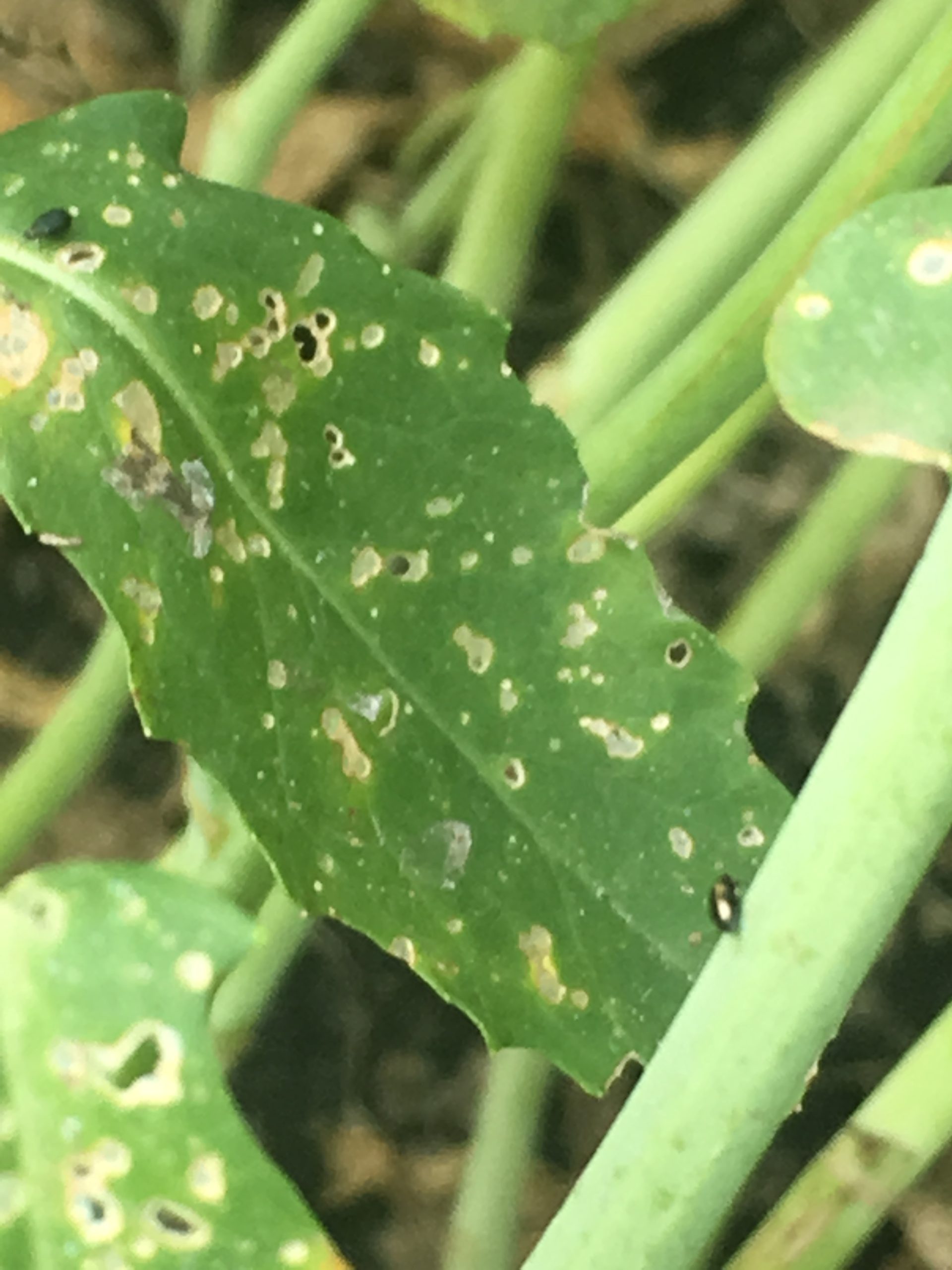
Flea Beetle Feeding
Spring’s arrival brings with it a flurry of activity in the canola fields, and unfortunately, that includes the emergence of flea beetles. These tiny pests can wreak havoc on young canola plants, significantly impacting yield. But did you know that weather plays a crucial role in determining the severity of flea beetle risk? Let’s delve into how soil moisture and temperature can influence these pesky insects.
The Perfect Storm: Warmth and Moisture
As the saying goes, “it’s all about timing,” and that couldn’t be more true when it comes to flea beetle management. The key factors influencing their activity are:
- Soil Moisture: Adequate soil moisture is essential for canola seed germination and rapid emergence. When the soil is moist, canola seedlings can quickly establish themselves, growing through the vulnerable early stages.
- Warm Temperatures: Warm temperatures accelerate both canola growth and flea beetle activity. This creates a double-edged sword. On one hand, rapid canola growth allows the plants to outgrow the risk period, which typically ends around the four-leaf stage. On the other hand, it also leads to a swift emergence of the flea beetle population.
The Upside: Rapid Canola Growth
When warm temperatures and ample soil moisture combine, canola emergence is typically rapid. This has several benefits:
- Shortened Risk Period: Canola plants quickly reach the four-leaf stage, moving past the period of greatest vulnerability to flea beetle damage.
- Enhanced Seed Treatment Efficacy: Seed treatments, designed to protect young seedlings, remain active throughout the crucial risk period, providing sustained protection.
The Downside: Rapid Pest Development 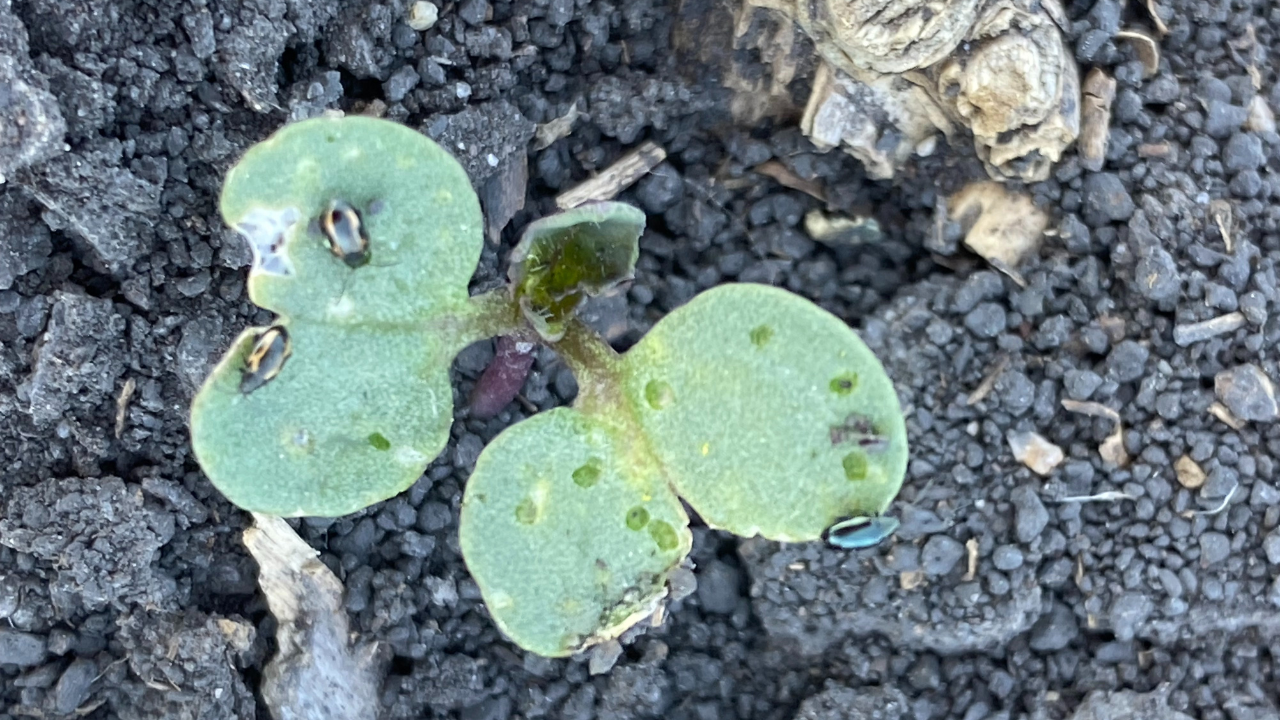
However, the same conditions that favor canola growth also benefit flea beetles:
- Accelerated Beetle Emergence: Warm temperatures trigger a rapid emergence of flea beetle populations, increasing the potential for significant damage.
- Increased Grasshopper Activity: It is important to also note that the warm start to the season also increases the speed of grasshopper hatching and growth, adding another potential pest risk.
Staying Ahead of the Game
Understanding the relationship between weather and flea beetle activity is crucial for effective pest management. Farmers need to be vigilant, monitoring their fields closely during periods of warm, moist weather.
Here are some key takeaways:
- Monitor closely: Regular field scouting is essential to assess flea beetle populations and damage levels.
- Understand weather patterns: Pay attention to weather forecasts and soil moisture conditions to anticipate potential risks.
- Optimize seed treatments: Ensure seed treatments are appropriate and effective for the specific flea beetle species in your region.
- Integrated Pest Management (IPM): Use a combination of cultural practices, biological controls, and chemical treatments when necessary.
By staying informed and proactive, canola growers can minimize the impact of flea beetles and ensure a healthy and productive crop.