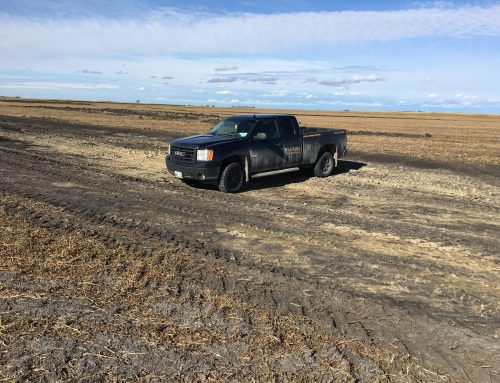
As a farmer and or agronomist in the Red River Valley of southern Manitoba, you are acutely aware of the challenges posed by weed management. Herbicide resistant kochia (both groups 2 and 9) is rapidly becoming a persistent problem on many fields. This weed’s growing herbicide resistance issues demand vigilant management and innovative strategies.
Understanding Kochia
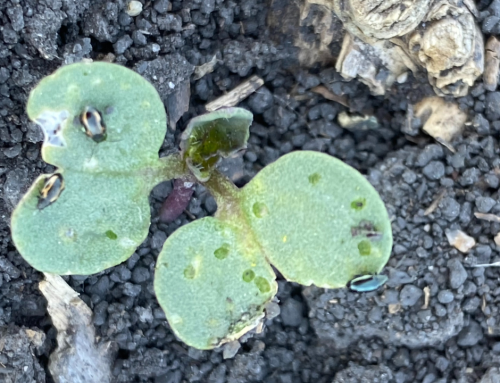
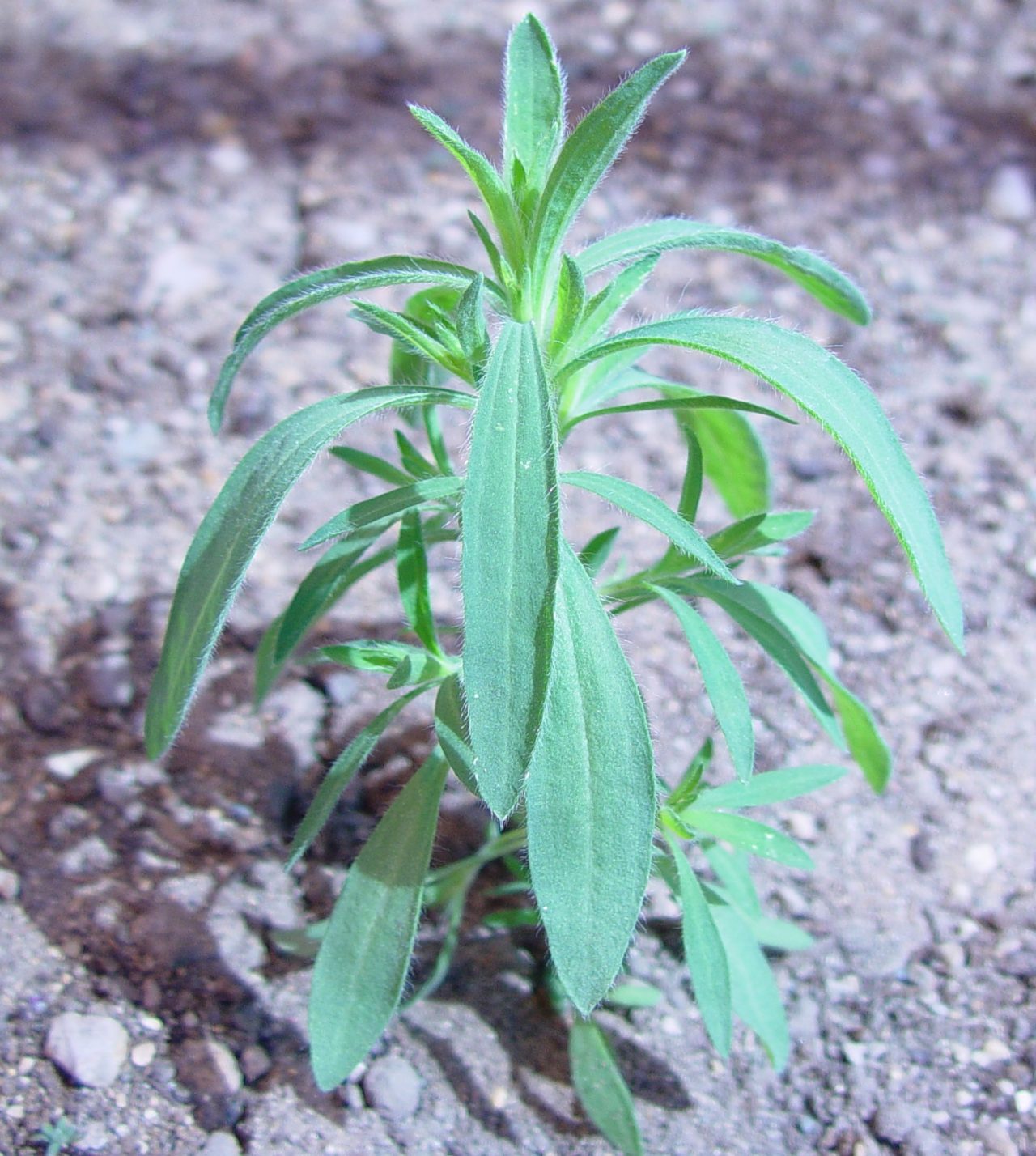
Kochia, also known as fireweed, is a summer annual broadleaf weed native to Europe and Asia. It has become prevalent across North America, thriving in the prairies and plains. Characterized by its bushy appearance and prolific seed production, Kochia can quickly dominate fields, outcompeting crops for nutrients, water, and light.
Why Kochia is a Problem in the Red River Valley
- Adaptability: Kochia is highly adaptable to various soil types and environmental conditions. Its drought tolerance allows it to flourish even in dry years, making it a persistent problem regardless of weather patterns.
- Rapid Growth and Seed Production: Kochia can grow up to six feet tall and produce thousands of seeds per plant. These seeds can disperse over long distances, aided by wind and water, ensuring the weed’s widespread presence.
- Herbicide Resistance: One of the most significant challenges with Kochia is its ability to develop resistance to multiple herbicides. Resistance to herbicides like glyphosate and most group 2’s, complicates control, requiring additional management strategies.
- Resistance to additional herbicide groups like 14 and 4 have been identified in neighboring provinces and states.
The Rise of 3-Way Resistant Kochia
3-way resistant Kochia refers to populations that have developed resistance to three different classes of herbicides:
- Glyphosate (Group 9): Widely used in various crops and non-crop areas.
- ALS Inhibitors (Group 2): Includes herbicides such as sulfonylureas and imidazolinones.
- Photosystem II Inhibitors (Group 5): Commonly includes herbicides like atrazine.
This multi-resistance significantly limits the effectiveness of many standard herbicide programs, posing a severe threat to crop production and necessitating alternative approaches.
Management Strategies for Kochia and Herbicide-Resistant Kochia
Effective management of Kochia, particularly 3-way resistant Kochia, requires a multifaceted approach combining cultural, mechanical, and chemical methods.
Cultural Practices:
- Crop Rotation: Implementing diverse crop rotations can help disrupt the lifecycle of Kochia. Including crops that create dense canopies can outcompete Kochia seedlings.
- Cover Crops: Using cover crops can suppress Kochia growth by reducing the available space and resources.
Mechanical Control:
- Tillage: Strategic tillage can help manage Kochia populations. However, over-reliance on tillage can lead to soil erosion and other negative impacts, so it should be used judiciously.
- Mowing: Mowing can prevent Kochia from setting seed, reducing the seed bank in the soil.
Chemical Control:
- Herbicide Rotation and Mixtures: Using herbicides with different modes of action in rotation and mixtures can help manage resistant Kochia. Pre-emergent herbicides can be effective in controlling Kochia before it establishes.
- Tank Mixing: Combining multiple herbicides with different modes of action in a single application can improve control and help manage resistance.
Biological Control:
- Grazing: Livestock grazing on fallow fields or non-crop areas can reduce Kochia biomass and seed production.
- Beneficial Insects: Research into biological control agents, such as insects that feed on Kochia, is ongoing and may provide additional tools in the future.
Integrated Weed Management (IWM)
Given Kochia’s adaptability and resistance, an integrated weed management (IWM) approach is crucial. IWM combines multiple control strategies to manage weeds effectively and sustainably. Here are some key components of an IWM strategy for Kochia:
- Regular Monitoring and Scouting: Early detection through regular field scouting allows for timely and targeted interventions. Monitoring herbicide efficacy is also critical to identify and address resistance issues.
- Record Keeping: Maintaining detailed records of weed populations, herbicide applications, and control measures can inform future management decisions and improve long-term outcomes.
- Research and Innovation: Staying informed about the latest research and advancements in weed management can provide new tools and techniques for controlling Kochia.
Kochia poses a significant challenge for agronomists and farmers in the Red River Valley. Its adaptability, rapid seed production, and multiple herbicide resistance issues, make it a formidable adversary. However, by employing a combination of cultural, mechanical, and chemical control methods within an integrated weed management framework, it is possible to mitigate the impact of Kochia and protect crop yields. Vigilance, innovation, and a commitment to sustainable practices will be key to successfully managing this persistent weed.
By staying proactive and informed, we can continue to make strides in the battle against Kochia and its resistant strains, ensuring the health and productivity of our fields for years to come.