The Importance of Residue Management
As we approach the harvest season, one topic that deserves our attention is residue management. Effective residue management can significantly impact soil health and crop performance, setting the stage for a successful harvest and a successful emergence next year.
Understanding Residue and Its Effects
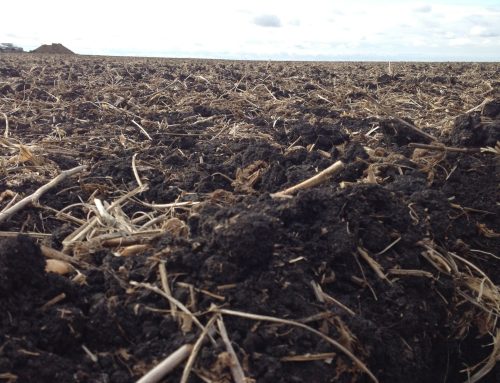
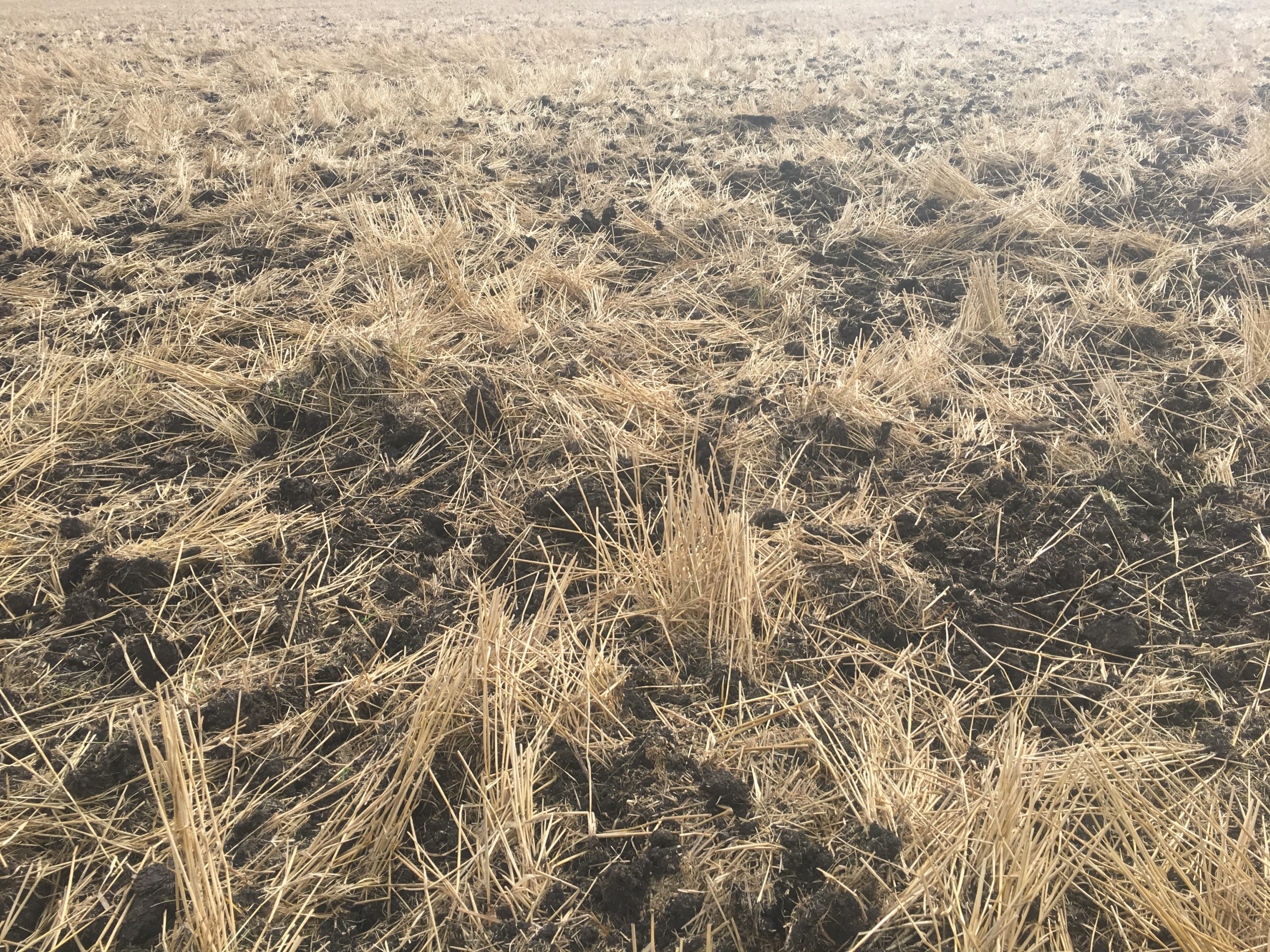 Crop residue refers to the leftover plant material after harvest, which can include stalks, leaves, and husks. While some residue is beneficial for soil health—helping with erosion control, moisture retention, and nutrient cycling—excess residue can create challenges.
While the importance of residue management applies to all crops, it is even more important with long season crops like soybeans and corn. How that residue is managed can greatly influence the soil temperature and moisture levels next year. For example, excessive residue can keep the soil cooler, leading to delayed plant emergence as we saw in the past year. Research shows that cooler soil temperatures can slow down germination rates and hinder early plant growth, which is critical for setting the foundation of a healthy crop.
The Challenge of Wider Headers
Modern combines are equipped with increasingly wide headers, often ranging from 40, 50 even 60 feet. While this technology improves harvesting efficiency, it complicates residue management. Uneven distribution of residue can lead to patches of soil that are either overly covered or exposed, impacting subsequent crop development.
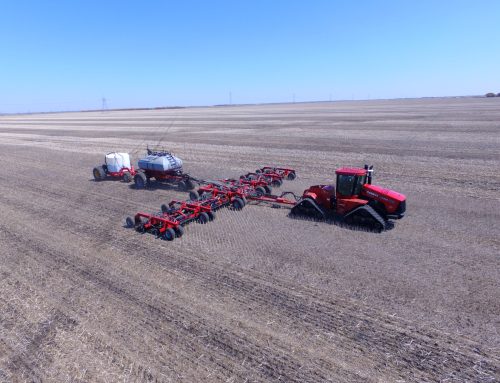
To counteract this, one effective practice is to conduct a harrow pass on warmer fall days. This technique helps break up and spread out the residue more evenly across the field, allowing for better soil conditions as the next crop is planted.
Timing Is Everything
In addition to spreading residue, timing plays a crucial role in managing it effectively. Residue from early season crops can be left on the surface to breakdown and rot a little prior to implementation. Longer season crops usually require immediate incorporation ahead of fall freeze-up. This means it must be properly sized and even distributed right away.
Environmental Factors
We cannot overlook the impact of environmental conditions, particularly in open landscapes like our prairie region. Wind can significantly affect how residue is distributed across fields. Strong winds can blow residue into clumps or cause it to drift away from where it’s needed. As agronomists and farmers, we must adapt our management strategies to account for these natural variables.
Giving Soil Biology a Boost!
Soil Microbes play a huge role in breaking down crop residues and cycling nutrients. There are numerous products available in the market today that help increase soil biology with the goal of improving soil health and breaking down residue. We are in our 2nd year of evaluating such products in our Research Network.
On the topic of soil health, cover crops can also help promote soil biology by extending the season with actively growing roots that stimulate soil biology. We have to recognize that our opportunities with cover crops are limited given our short growing seasons.
In summary, effective residue management is essential for ensuring the long-term health and productivity of our soybean fields. By taking proactive steps to manage residue—whether through even distribution, timely interventions, or integrating cover crops—we can enhance soil conditions and support robust crop growth.
As we continue to refine our practices, let’s prioritize residue management to build a sustainable future for our farming operations. If you found these insights helpful, I encourage you to share your thoughts and strategies in the comments below. Together, we can cultivate better practices for our fields and our communities.
Remembering: Next year’s crop begins at this year’s harvest.